


Psychology Series
Understanding how people think, feel, and behave in live environments.
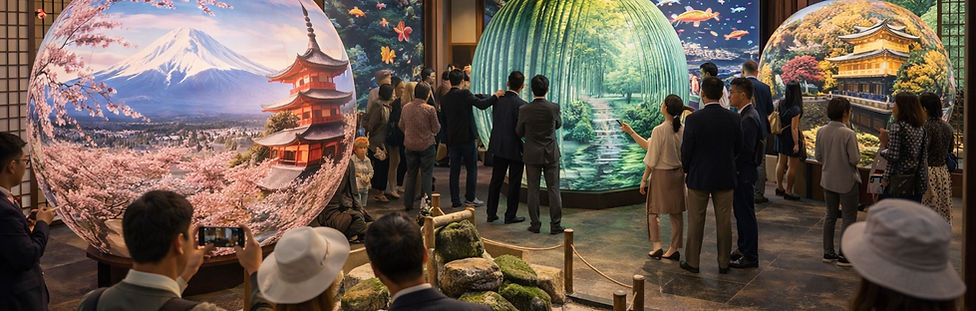
The Psychology Series explores the human behavior behind live environments. It focuses on how people think, feel, and respond in shared spaces, and how these behaviors influence interactions, movement, and overall experience.
In any live environment, individuals are constantly reacting to what they see, feel, and experience around them. Understanding these reactions allows teams and organizations to anticipate behavior, respond effectively, and create environments that feel intuitive and well-managed.
What the Psychology Series Covers
The Psychology Series focuses on the behavioral and emotional dynamics of people in live environments.
Crowd psychology and group behavior
Emotional contagion and shared energy
Social dynamics and interaction patterns
Decision making in environments
Guest expectations and perception
Stress, tension, and emotional response
Cultural behavior and social norms
Influence and behavioral cues
These principles explain why people behave the way they do in shared environments.

Where This Applies
The Psychology Series is relevant in any environment where people gather and interact.
High-density public environments
Hospitality and service environments
Retail and customer-facing spaces
Transport hubs and large-scale venues
Cultural and social environments
Entertainment and immersive spaces
Any environment that involves human interaction can benefit from understanding behavior.
How the Psychology Series Connects to the Human Layer
The Psychology Series provides the foundation for understanding human behavior across all Clapnation disciplines.
Presence — how individuals express themselves
Crew — how interactions are handled
Environment — how people move through space
Human Operations — how teams respond to situations
Experience — how environments are perceived and remembered
Leadership — how decisions are made under pressure
It is the discipline that explains why people behave the way they do, enabling more effective design and operation of environments.


